What Is the Difference Between Normal Forgetfulness and Dementia?
Dementia refers to declines in thinking and memory that impair daily life. Alzheimer's is the most common cause.
Vascular disease, medications, sleep disorders, depression, thyroid problems, and vitamin deficiencies may also contribute. Some of these are , so timely evaluation matters.
What Does Research Say About Prevention?
No lifestyle program can guarantee Alzheimer's prevention. The did identify modifiable risks, including hearing loss, high blood pressure, inactivity, smoking, diabetes, social isolation, and high LDL cholesterol.
Practical steps include:
- Maintain cardiovascular fitness through regular exercise.
- Avoid tobacco and limit alcohol.
- Address hearing or vision impairment.
- Work with your medical team to manage blood pressure, blood sugar, and cholesterol.
- Discuss persistent insomnia or suspected sleep apnea with a healthcare professional.
What Is Cognitive Reserve?
Cognitive reserve may help explain why similar brain changes affect people differently. Education, mental activity, and social connection may build reserve.
They do not prevent Alzheimer's disease. They may still support everyday thinking as you age.
When Should You Seek Help?
Seek help for getting lost in familiar places, repeated questions, difficulty with familiar tasks, or changes in judgment. A clinician can review your symptoms and arrange testing or a referral.
Bring a family member if you can. They often notice changes that you do not.
What Can You Do Today?
Start with one change this week. Schedule a hearing or vision check, add a daily walk, or ask your doctor to review your blood pressure and medications.
Keep a short log of what you notice, such as when lapses happen and how you slept. That record gives your clinician useful details.
What Is the Brain-Body Connection at Advanced Integrative Health Center?
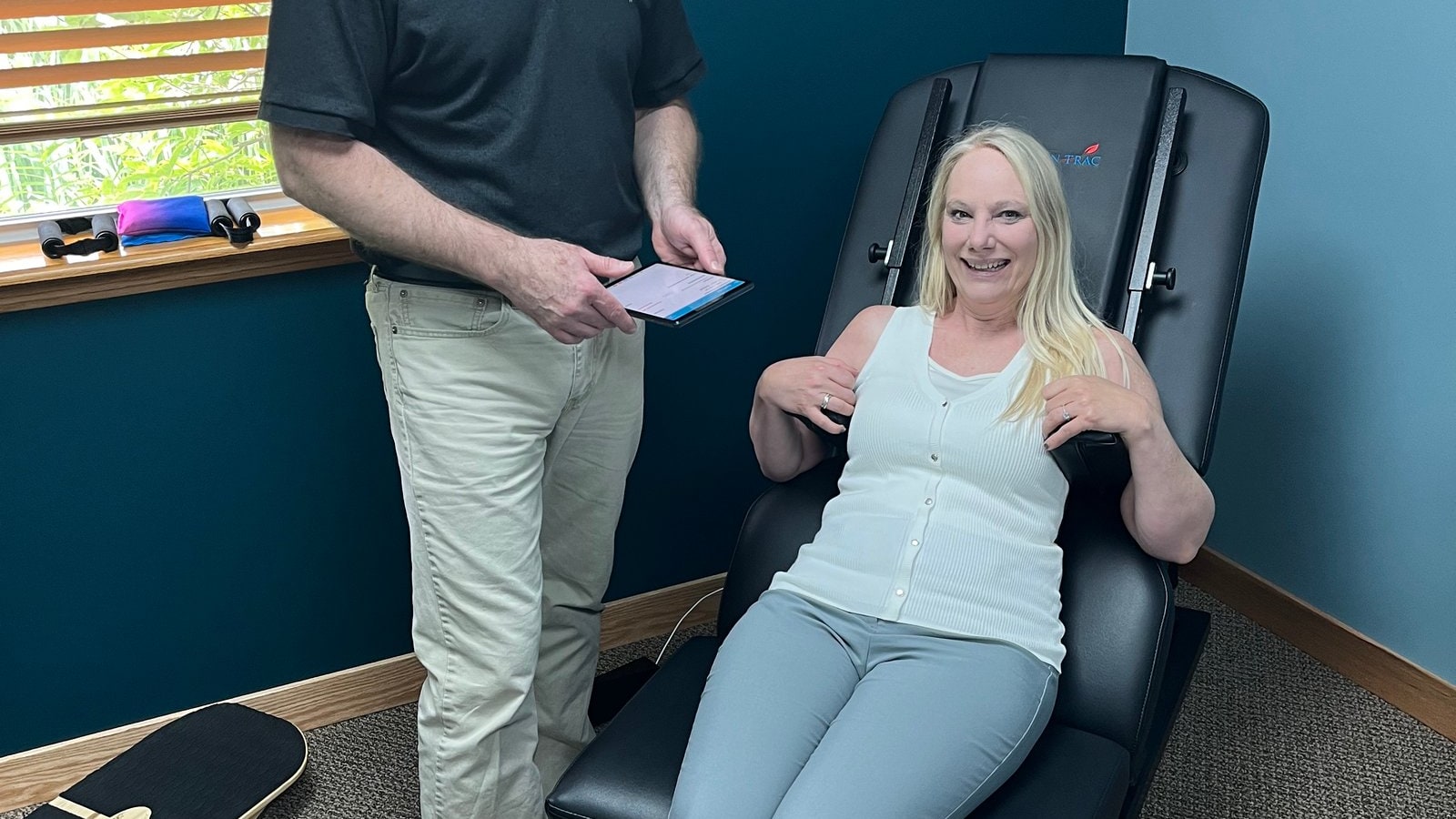
We assess balance, coordination, movement, and lifestyle factors. Our services may complement medical evaluation for memory changes, but they never replace it.
We do not claim to diagnose or reverse dementia. You can read more about brain fog and how functional medicine supports people with memory concerns.
Our post on functional neurology explains how we support brain function, and our therapies page lists every service.
Frequently Asked Questions
Can low vitamin B12 or thyroid problems cause memory loss?
Sometimes, yes. Cleveland Clinic lists vitamin B12 deficiency, thyroid disorders, medicine side effects, and normal pressure hydrocephalus among reversible causes of dementia-like symptoms.
Symptoms may go away once a provider treats the cause, which is why a medical evaluation comes first.
What tests do doctors use to check memory problems?
Doctors may start with your medical history, mental status tests, and physical and neurological exams. They may add blood tests and brain imaging, such as MRI, CT, or PET.
The describes these steps in more detail, and your doctor chooses the tests that fit your symptoms.
Is there a cure for dementia?
No cure exists for dementia overall, but many types are treatable. No treatment can completely stop dementia from getting worse.
Early evaluation still matters because some causes respond to treatment, and an early diagnosis gives families time to plan and arrange support.
Is brain fog the same as dementia?
No. Our clinic describes brain fog as a symptom, not a diagnosis, and a signal that something deeper may be out of balance.
We look at neurological, metabolic, and lifestyle factors behind poor focus, mental fatigue, and trouble finding words. Call our office with questions about your symptoms.
Does Advanced Integrative Health Center treat dementia?
No. We do not claim to diagnose or reverse dementia, and our care does not replace a medical evaluation for memory changes.
We assess balance, coordination, movement, and lifestyle factors, and we can discuss options that complement your medical care.
Ready to Support Your Brain and Body?
If you are concerned about memory changes, start with a qualified medical evaluation. If you would also like support for movement, balance, and wellness goals, our chiropractic and functional medicine team in Grand Rapids can discuss appropriate options.
Call Advanced Integrative Health Center today at (616) 453-0600 or request an appointment online. Live Life Without Limits!

