What Is Parkinson's Disease?
Parkinson's is a progressive brain disorder that damages dopamine-producing neurons. Movement symptoms include tremor at rest, slowness, limb stiffness, and gait and balance problems.
Non-motor symptoms can include sleep problems and mood changes. There is no cure, but .
Why Does Movement Become Harder?
Walking requires coordination among the brain, eyes, inner ears, muscles, and joints. Parkinson's can disrupt this process, making it harder to turn, begin walking, balance, or do two tasks at once.
Shakiness, stiffness, and slow movement change how a person walks. Adding balance problems raises the risk of falls.
Why Is Exercise an Important Part of Care?
Exercise and rehabilitation can support strength, mobility, confidence, and daily function. A program may include:
Aerobic exercise
Resistance training
Stretching
Balance practice
Gait training
Activities that challenge coordination
The Parkinson's Foundation recommends . You do not need to wait until moving becomes difficult to start.
Begin with what feels safe, and build slowly. A mix of activities you enjoy is easier to keep up, and consistency matters more than intensity.
How Can a Physical Therapist Help?
A Parkinson's-trained physical therapist can tailor exercise, reduce fall risk, and teach movement strategies. Early therapy can be beneficial.
Exercise should complement neurologist-directed care, not replace it. New symptoms always need medical evaluation.
Ask your neurologist to refer you if you have not yet worked with one. A referral gives you a plan built for your stage and goals.
What About Neuroplasticity?
Repeated practice can help the brain adapt and develop useful movement strategies. This is why balance and coordination drills matter.
Neuroplasticity cannot restore all dopamine-producing neurons or cure Parkinson's disease. It can still support everyday movement.
How Can Our Clinic Help?
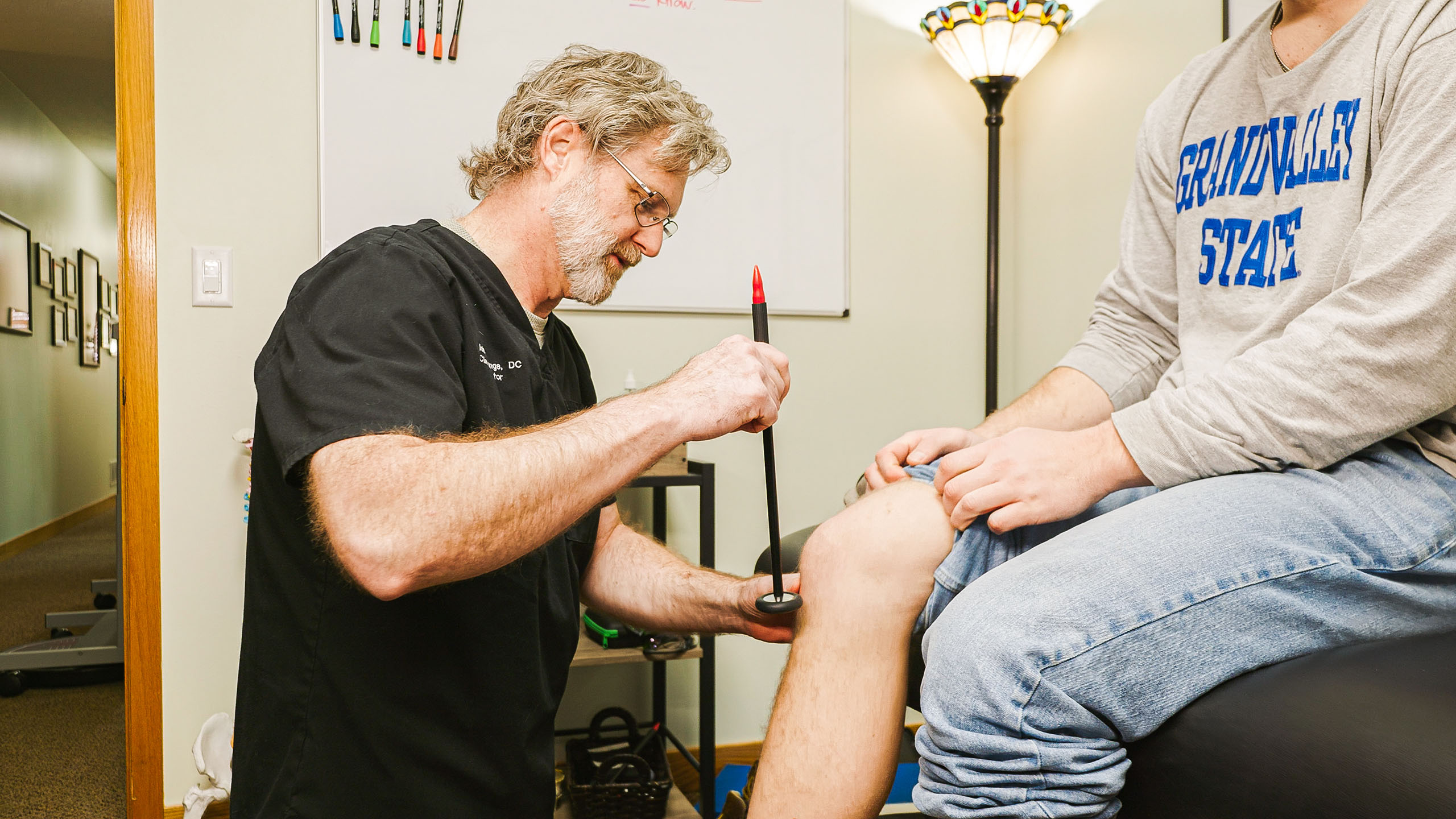
At Advanced Integrative Health Center, we assess posture, coordination, and balance. Our chiropractic and functional neurology services may support mobility and wellness within coordinated care.
They do not replace diagnosis, medication, or evidence-based physical therapy. See how we approach balance and nerve health, and read about functional neurology for movement problems.
You can also browse our therapies and a post on chronic pain care.
Frequently Asked Questions
How much exercise does Parkinson's disease call for?
The Parkinson's Foundation recommends at least 2.5 hours of exercise each week. It names four key parts: aerobic activity, strength training, balance, agility and multitasking, and flexibility.
Activities such as tai chi, dance, cycling, yoga, and non-contact boxing can all fit into a plan.
Can exercise slow Parkinson's progression?
It may help, though the evidence is still developing. The Parkinson's Foundation says people who start exercising early show a slowed decline in quality of life.
It also notes that more research is needed on whether exercise protects neurons, so treat it as one part of care.
Why do people with Parkinson's fall?
Shakiness, stiffness, and slow movement change how a person walks. Postural instability then adds to the risk of falls, forward during walking or turning and backward during turning, standing, or sitting.
Exercise and physical therapy can help gait and balance, and home safety changes can reduce risk.
What does neuro rehab involve at your clinic?
Our neuro rehab uses targeted stimulation, movement-based therapy, balance training, and sensory integration. The aim is better coordination, stability, strength, and independence in daily activities.
Your plan is built around the findings from your exam, not a set program. Call our office to ask how it would fit your needs.
Does Advanced Integrative Health Center treat Parkinson's disease?
No. We do not replace diagnosis, medication, or physical therapy from your neurologist and care team.
We assess posture, coordination, and balance, and we can discuss whether chiropractic and functional neurology support your movement goals alongside that care. Call our office to talk through what makes sense for you.
Ready to Stay Active and Confident?
Ask your clinician which activities are safe for your condition. Then contact our chiropractic and functional medicine team in Grand Rapids to discuss a functional movement and balance assessment.
Call Advanced Integrative Health Center today at (616) 453-0600 or request an appointment online. Live Life Without Limits!