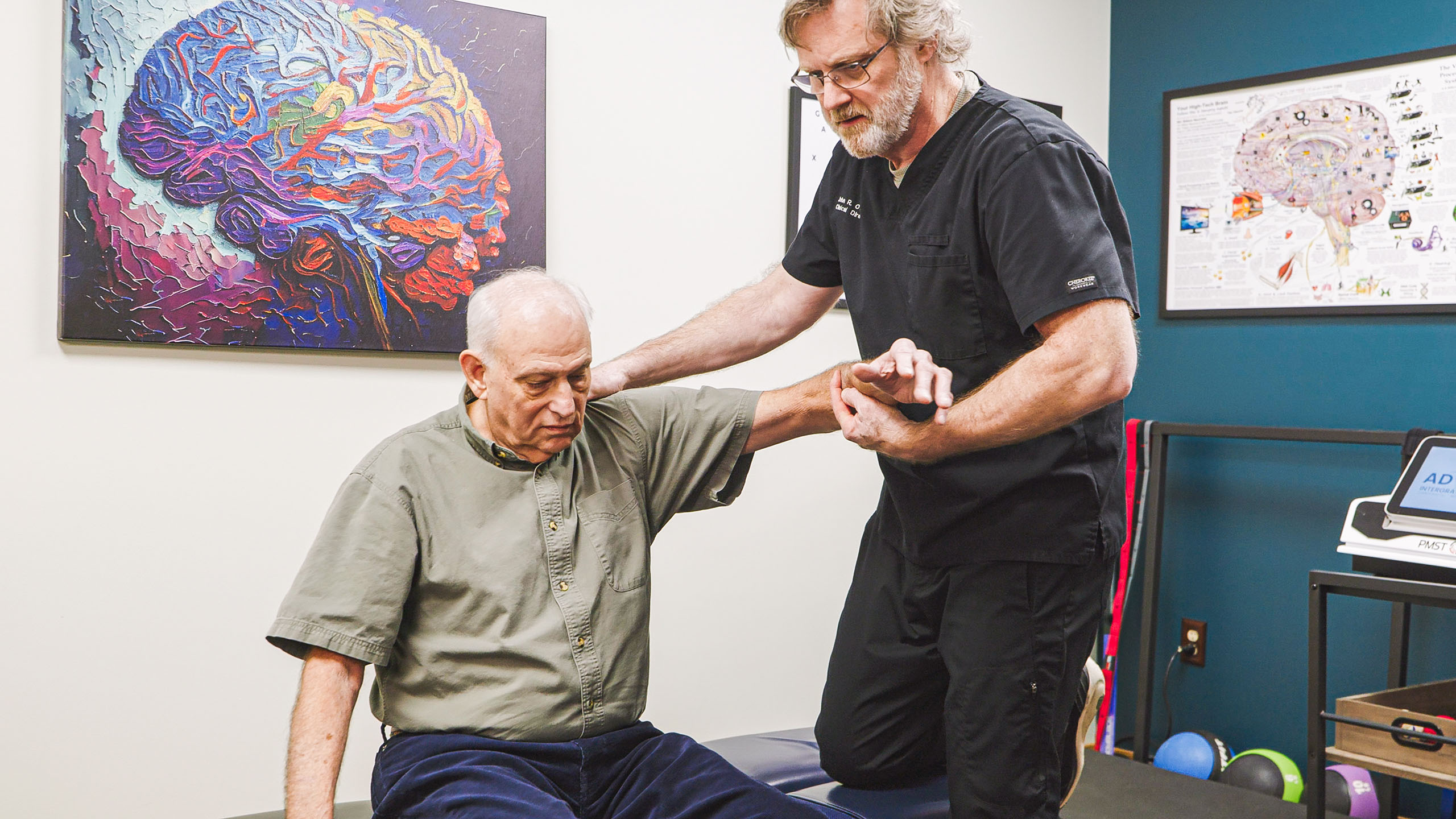
If you have ever felt like your symptoms were being treated but the real cause was never fully explained, you are not alone. Functional medicine is a patient-centered approach that asks a deeper question: Why is this happening?
Instead of looking at one symptom by itself, functional medicine looks at the whole person and how different parts of health may be connected. We want to ask, “Why are you ill?” and focus on personalized care. The Institute for Functional Medicine describes it as a systems-based approach that looks for root causes and how body systems communicate and work together.
A Holistic Approach to Health and Wellness
In simple terms, functional medicine tries to understand the bigger picture. It looks at nutrition, sleep, stress, exercise, gut health, blood sugar balance, inflammation, environment, and lifestyle habits. The goal is not to cover up symptoms. The goal is to understand what is driving the problem and build a more personalized health care plan.
At the Advanced Integrative Health Center, we address chronic disease using a holistic, food-first strategy and look at genetic, environmental, and lifestyle influences.
What Functional Medicine is Not
This does not mean functional medicine ignores standard medical care. In fact, the broader field of integrative health often combines conventional care with evidence-informed complementary approaches in a whole-person framework. The National Center for Complementary and Integrative Health explains that integrative health brings conventional and complementary approaches together and emphasizes whole person’s health.
What Functional Medicine Includes
A functional medicine visit often includes a more detailed health history than patients expect. We ask about your diet, digestion, stress, sleep, activity level, past illnesses, medications, family history, and daily habits. That is because many chronic symptoms may be affected by more than one thing at a time. For example, fatigue, brain fog, weight gain, joint pain, or digestive problems may involve several body systems working together, not just one isolated issue.
How We Apply Functional Medicine
At the Advanced Integrative Health Center, functional medicine is important and fits our goal of helping patients in Grand Rapids and Walker, MI, look beyond surface-level symptoms. It supports a more complete view of health by considering how lifestyle, metabolic health, nutrition, and other stressors affect how you feel day by day. For many patients, that means asking better questions, understanding patterns more clearly, and building a plan that feels more personal and practical.
Who Does Functional Medicine Help?
Functional medicine may be helpful for people dealing with long-term symptoms such as fatigue, inflammation, blood sugar problems, digestive concerns, hormone-related issues, or ongoing wellness challenges. It is designed to help patients and providers work together, with the understanding that health is often shaped by many connected factors rather than one single cause.