
What the Research Says
The science is less settled than most people expect. Harvard Health describes the older as inconclusive and sometimes contradictory.
Newer studies have found modest links. A smartphone study of more than 2,600 people with chronic pain tied worse days to higher humidity, lower air pressure and stronger wind.
So the cold may not be the whole story. Damp, changing weather seems to matter for some people, and the effect varies a lot from person to person.
Why Joints Might Ache When It Turns Cold
One common theory involves air pressure. When barometric pressure falls, tendons, muscles and the tissue around a joint may expand slightly, and that can press on a joint already irritated by arthritis or an old injury.
Behavior plays a part too. Cold, gray days tend to keep people indoors and less active, and less movement often means stiffer joints.
Joints That Tend to Notice It Most
Knees, hips and hands often get the blame, especially when osteoarthritis or past injuries are part of the picture. If your knees ache year round, the cold may simply make an existing problem easier to feel.
Our earlier look at chronic knee pain covers common causes such as wear and tear, old injuries and muscle imbalances.
Simple Habits That May Help This Winter
You can't control the weather, but a few habits may take the edge off. UChicago Medicine suggests you and stretch before heading outside.
Other ideas that may help:
- Keep moving indoors with walking, stretching or light strength work.
- Use a heating pad or warm shower to loosen stiff joints.
- Stay at a healthy weight to ease the load on your knees.
- Keep up good sleep and a balanced diet.
Harvard Health notes that regular exercise may lower inflammation and improve blood flow. That makes a reasonable first step for most people.
How Our Clinic Approaches Seasonal Joint Pain
When home care isn't enough, Dr. Owings starts by looking for the reason a joint keeps flaring. That may include joint mechanics, posture, inflammation and metabolic factors.
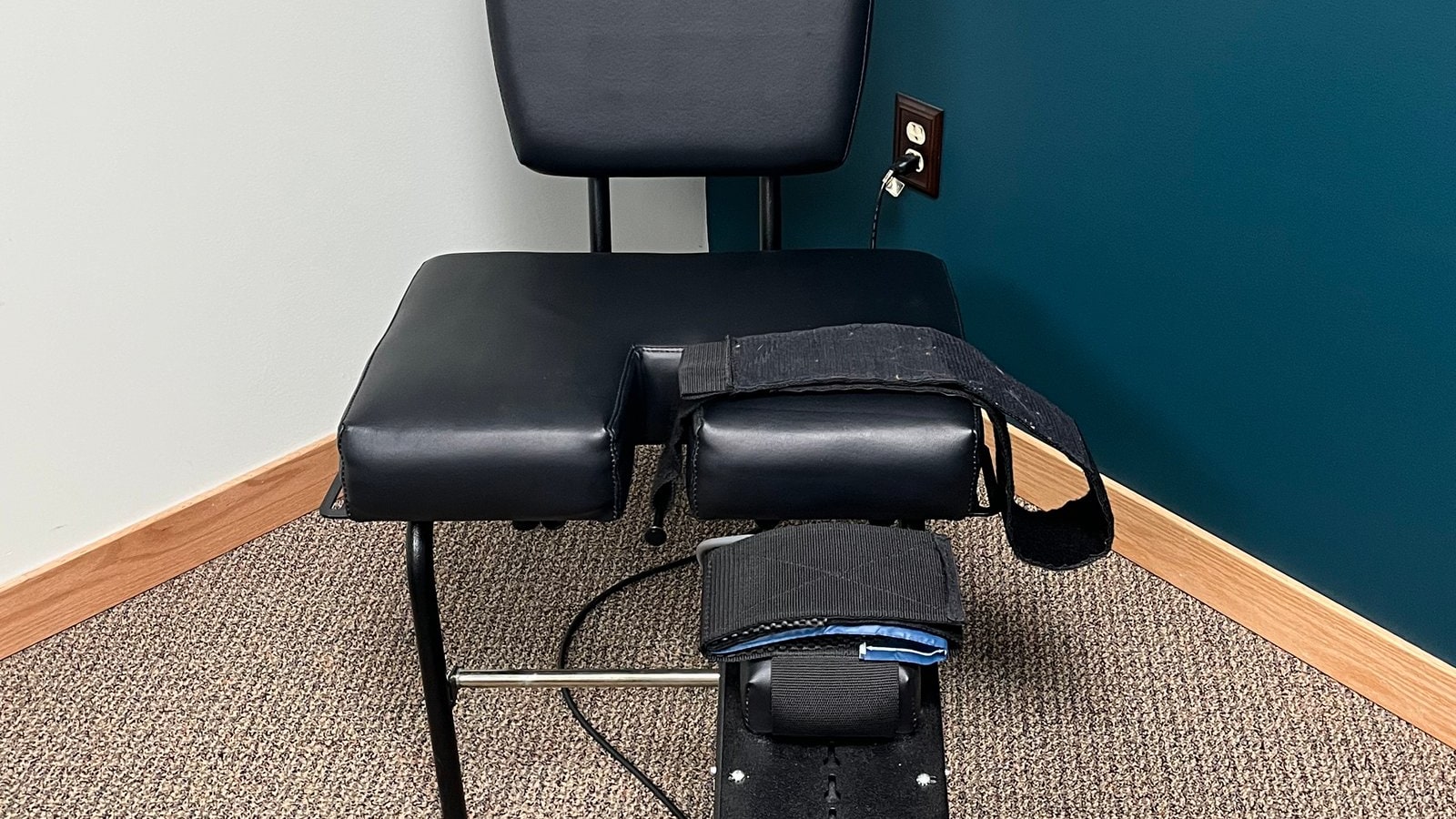
Depending on your exam, a plan may combine chiropractic care, cold laser therapy, spinal decompression and functional medicine. You can see how this works for knees in our post on chiropractic care for knee pain, or browse our full list of conditions and therapies.
Frequently Asked Questions
Is it the cold itself or the change in weather that makes joints ache?
It may be the change more than the cold. Studies on weather and joint pain are mixed, but several have found modest links between pain and higher humidity, lower air pressure and wind rather than temperature alone.
Harvard Health notes that one European study found humidity seemed to matter more in colder weather. The effect also varies widely from one person to the next.
Would moving somewhere warmer help my joint pain?
It might, but there's no guarantee. A warmer, drier climate may suit many people with arthritis, yet the effect of weather depends on the person and the type of joint problem.
The Arthritis Foundation suggests visiting a new area at different times of year before making a move. For most people, managing symptoms at home is the more practical first step.
Is heat or a knee sleeve worth trying on cold days?
For many people, yes. A heating pad or a warm shower may relax stiff muscles around a joint, and a knee sleeve may offer some support during winter activity.
Harvard Health says regular exercise is the most important piece. If cold weather clearly makes your symptoms worse, talk with a health care provider about next steps.
When should I get joint pain checked instead of waiting for spring?
Get it checked if pain lingers, keeps returning or limits daily life. Swelling, redness, or trouble bearing weight or using a joint are signs to see a provider, and severe or disabling pain needs prompt care.
At Advanced Integrative Health Center, the first step is a 12-point functional exam with Dr. Owings, who brings more than 28 years of experience to each case.
Can cold laser therapy help achy joints in winter?
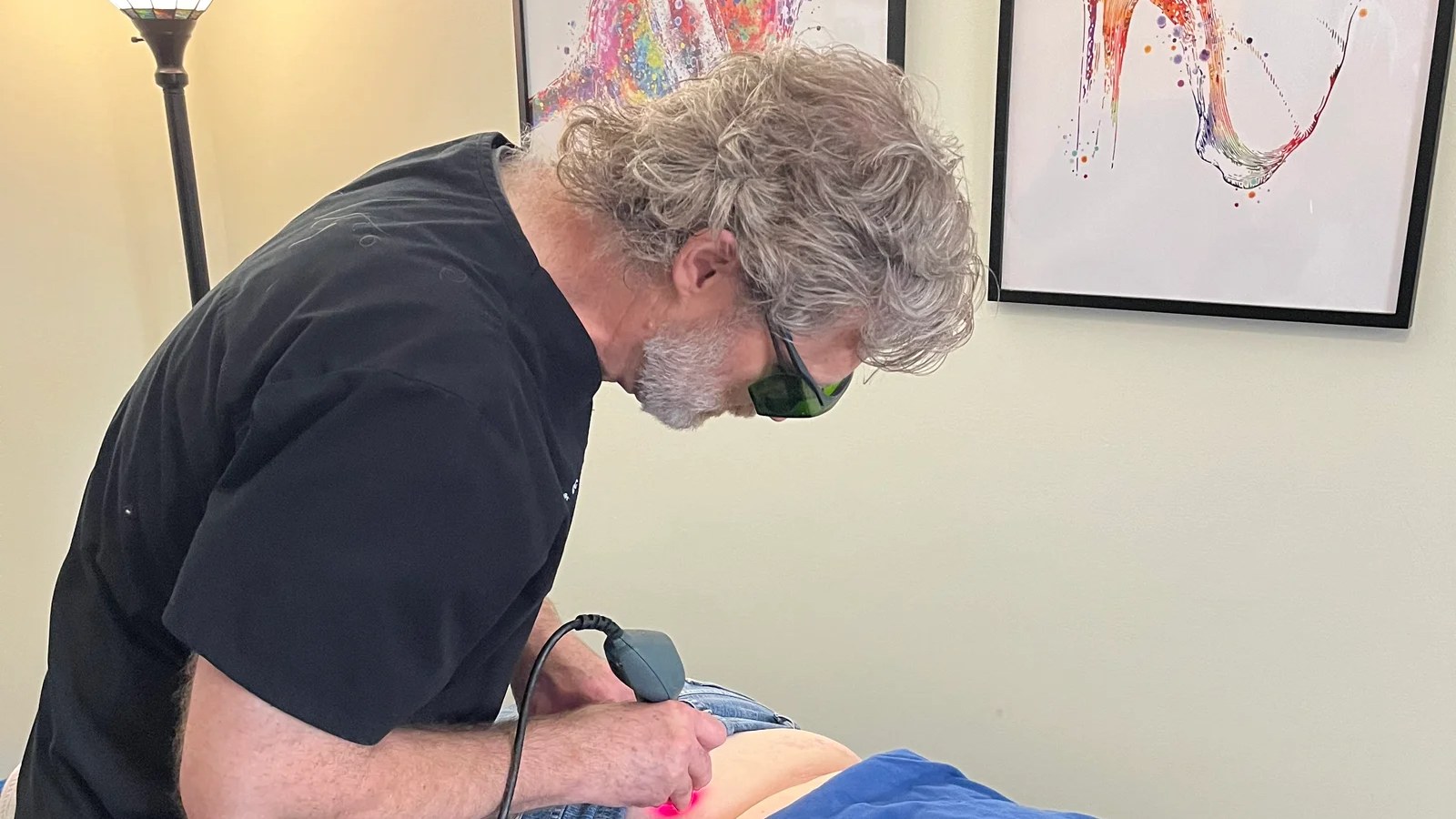
It may help for some people. Cold laser therapy uses specific wavelengths of light to support tissue repair and calm inflammation, and our practice uses it for back, neck, shoulder and knee pain.
It's non-invasive, sessions are usually short and there's no downtime. Dr. Owings uses it as one part of a plan built around your exam findings, not as a stand-alone fix.
Schedule a 12-Point Functional Exam
Cold weather joint pain doesn't have to keep you on the couch until spring. A thorough exam can show what is driving your flare-ups and which care options fit your goals.
Call Advanced Integrative Health Center, your chiropractor in Grand Rapids, MI, today at (616) 453-0600 or request an appointment online.

