Why Is My Neuropathy Getting Worse? A Root-Cause Checklist Every Patient Should Know
Neuropathy can be confusing and frustrating. Burning, tingling, numbness, or balance problems may feel manageable for a while, then suddenly become stronger, spread farther, or begin interfering with walking, sleeping, and daily life.
When neuropathy worsens, the most important question is not simply, “What can I take for the pain?” A better question is, “What is still irritating or damaging the nerves?”
Peripheral neuropathy can have several contributing causes, including diabetes, nerve compression or injury, alcohol use, toxin exposure, hereditary conditions, and nutritional deficiencies. For people with diabetes, nerve health may also be affected by blood sugar control, blood pressure, cholesterol, kidney function, and vitamin B12 status.
At Advanced Integrative Health Center, our neuropathy doctor in Grand Rapids, MI, views neuropathy as a systems problem. The nerves may be the main complaint, but the underlying stressors can involve circulation, inflammation, blood sugar regulation, spinal mechanics, balance control, nutrition, or poor brain-to-nerve communication.
Here’s what you need to know as you seek out neuropathy treatment.
A Root-Cause Checklist for Worsening Neuropathy:
1. Blood Sugar and Insulin Stress
Even mild blood sugar problems can affect small nerves over time. Diabetes-related neuropathy is closely connected to glucose control, and keeping blood sugar in a healthy target range is one of the most important ways to help protect against progression.
2. Poor Circulation and Tissue Healing
Nerves need oxygen, nutrients, and healthy blood flow. When circulation is limited, the feet and legs may have a harder time healing, recovering, and maintaining healthy nerve function.
3. Vitamin and Nutrient Problems
Low vitamin B12, thyroid problems, kidney disease, and other metabolic issues can contribute to worsening symptoms and may need to be ruled out when facing neuropathy progression.
4. Chronic Inflammation
Inflammation can make nerves more sensitive, increase pain signals, and slow recovery. Nutrition, gut health, sleep, weight, and daily lifestyle habits may all influence the amount of inflammation affecting the nervous system.
5. Balance and Brain-Body Communication
Neuropathy is not only a foot problem. When the brain receives poor information from the feet, joints, eyes, and balance system, walking can become less stable. This may increase fall risk, reduce activity, and lead to more weakness over time.
6. Spinal and Mechanical Stress
Joint restriction, poor posture, weakness, and altered movement patterns can place added stress on the body. For some patients, improving spinal function and movement quality may help reduce the overall load on the nervous system.
Reducing the Stressors Filling the Neuropathy “Bucket”
The goal is not to chase symptoms one at a time. It is to identify what is filling the neuropathy “bucket” and begin removing those stressors step by step.
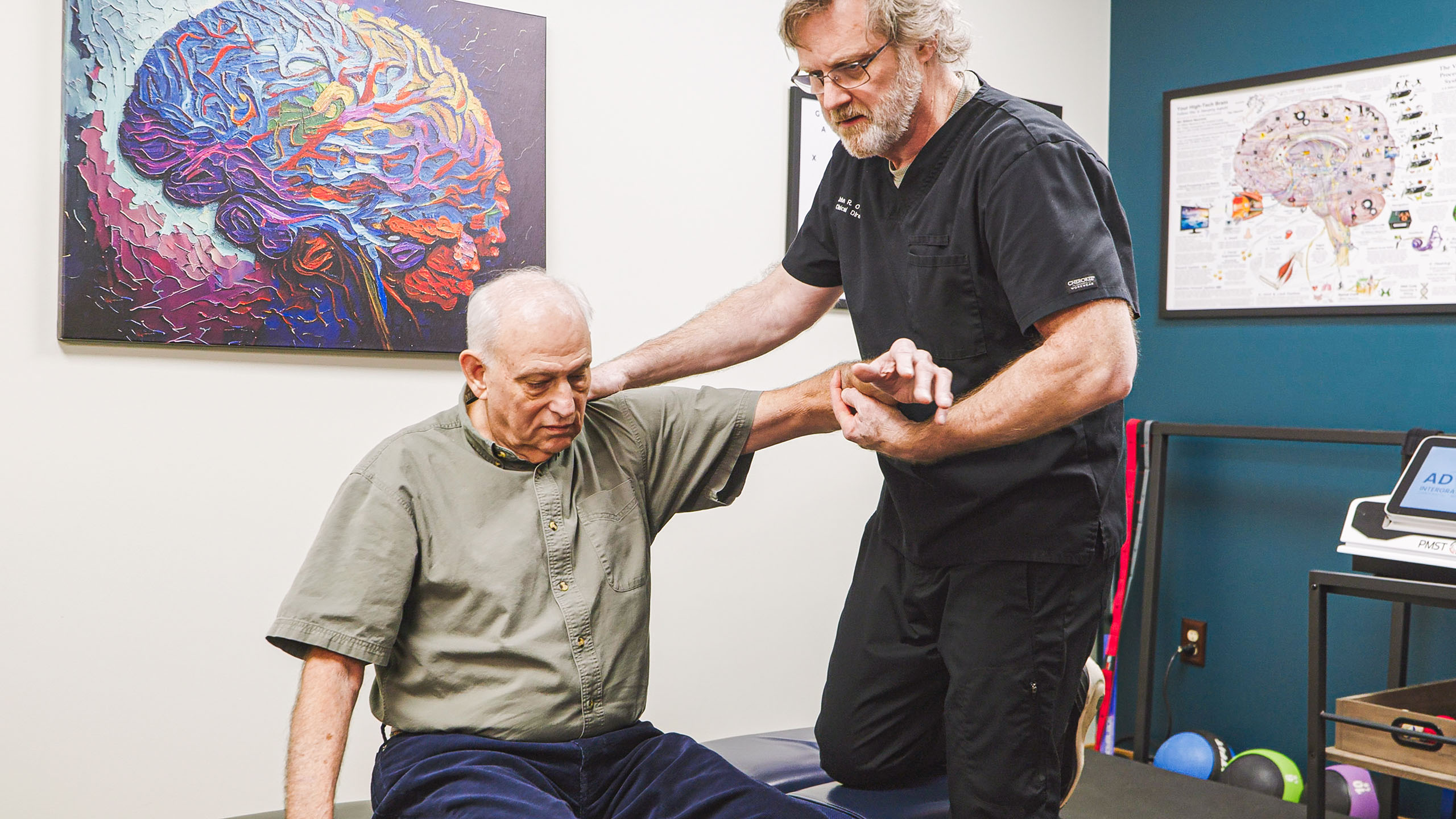
At Advanced Integrative Health Center, our neuropathy treatment plans combine chiropractic care, functional neurology, and functional medicine. We look for structural problems, nervous system communication problems, and fuel or metabolic problems that may be contributing to nerve irritation.
Request an Appointment Today
Neuropathy does not improve overnight, but many patients need a better plan than simply waiting for symptoms to get worse. If you are dealing with burning feet, numbness, tingling, balance problems, or worsening nerve symptoms, a personalized evaluation with our neuropathy doctor in Grand Rapids, MI, can help identify where to start.
Call Advanced Integrative Health Center at (616) 453-0600 or contact us online to schedule a neuropathy evaluation and take the next step toward better nerve health.