
What Is Anemia?
Anemia means your blood has too few healthy red blood cells or too little hemoglobin to carry oxygen well. When tissues get less oxygen, you may feel tired, weak, dizzy or short of breath.
Other signs include headaches, pale skin, cold hands and feet and a fast heartbeat. Some people with mild anemia notice nothing at all.
How Common Is It?
More common than many people think. The CDC found of Americans age 2 and older from 2021 to 2023.
Rates were higher in women (13.0%) than men (5.5%), and highest in adults 60 and older.
Iron-Deficiency Anemia
Low iron is the most common cause of anemia. NHLBI lists blood loss, heavy periods, digestive conditions that block absorption and regular NSAID use among the .
Good sources include beans, eggs, lean red meat, salmon, tofu and fortified cereals. Pairing them with vitamin C foods like oranges or tomatoes helps your body absorb more.
Vitamin B12 Deficiency
Your body needs B12 to make red blood cells and protect nerves. Low levels can come from a strict vegetarian diet, pernicious anemia, digestive conditions or long-term use of heartburn medicines or metformin.
MedlinePlus notes that can cause numbness, tingling and balance problems. Those nerve symptoms can show up before anemia does.
Folate Deficiency
Folate helps red blood cells form and grow, and your body does not store much of it. Leafy greens, beans, citrus fruit and fortified grains help keep levels up.
Folate and B12 deficiencies can look alike on a blood test, yet treatment differs. That is one reason matters before you guess.
Anemia of Inflammation and Other Types
Kidney disease, autoimmune conditions and other long-term illnesses can keep the body from using iron it already has. NIDDK explains that this often is not fixed by iron pills alone.
Hemolytic, aplastic and inherited anemias, including sickle cell disease and thalassemia, need medical care beyond nutrition.
How Our Clinic Approaches Fatigue
Low energy rarely has a single cause. Our post on functional medicine for chronic fatigue covers blood sugar, thyroid and gut factors, and our look at brain fog causes shows how they overlap.
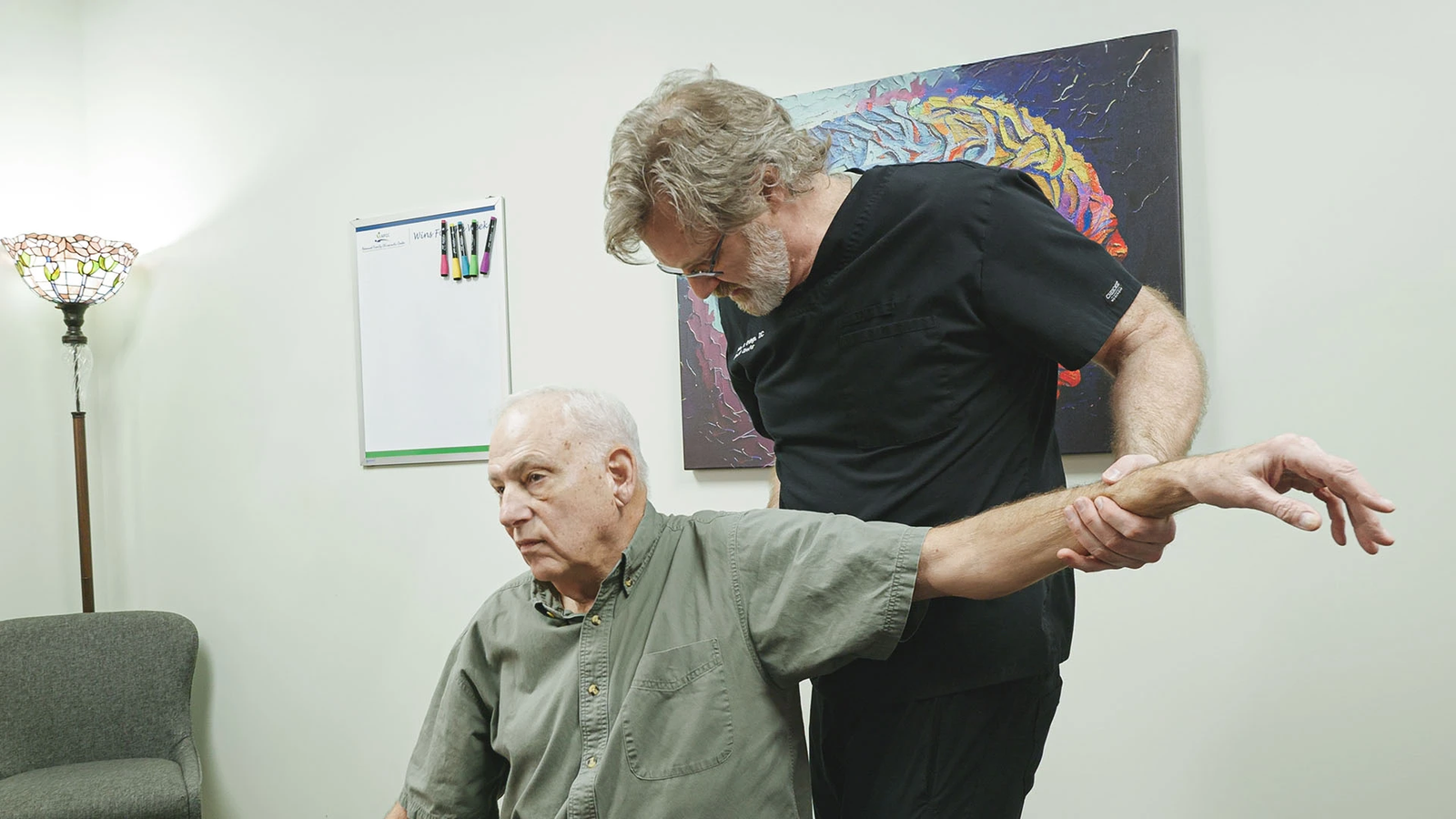
When anemia is a possibility, testing may include a CBC, ferritin, iron, transferrin saturation, B12 and folate. We also review diet, digestion and inflammation, then build a plan from the conditions and therapies that fit your results.
Suspected bleeding or severe anemia needs prompt medical care, and we coordinate with your other providers when a referral makes sense.
Frequently Asked Questions
Who is most likely to have anemia?
Women and older adults are most likely to have anemia. CDC data from 2021 to 2023 showed about 13% of females had it, compared with about 5.5% of males.
Adults 60 and older had the highest rate of any age group, at 12.5%. Heavy periods, pregnancy, digestive conditions and long-term illness all raise the odds.
How long does it take to rebuild iron levels?
Restoring iron stores often takes three to six months of treatment. Staying with the plan for the full stretch matters, even once you start feeling better.
The National Heart, Lung, and Blood Institute lists iron supplements as the most common treatment. Follow-up blood work shows whether the plan is working and whether the original cause has been addressed.
Should I start an iron supplement before getting tested?
It is better to get tested first. Fatigue from low B12, low folate or inflammation will not improve with iron, so guessing can delay the right care.
Federal kidney and digestive health experts say anemia of inflammation usually improves only when the underlying illness is treated. A blood test points you toward the right fix.
Can low B12 cause tingling in the hands and feet?
Yes, a long-term B12 shortage can damage nerves and cause numbness, tingling and balance problems. This can happen even before a blood count shows anemia.
Because these symptoms overlap with neuropathy, Advanced Integrative Health Center looks at nutrient levels as part of peripheral neuropathy care. Our guide to what causes neuropathy lists other common triggers.
Is functional medicine lab testing covered by insurance?
Coverage depends on your plan, and advanced or wellness-based testing is often not fully covered. Basic blood work ordered for symptoms may be handled differently than specialized panels.
Chiropractic visits may qualify under some plans even when lab panels do not. Call Advanced Integrative Health Center at (616) 453-0600 to talk through costs before testing.
Schedule a 12-Point Functional Exam
Fatigue is a symptom, not a diagnosis. A thorough exam and the right blood work can show whether anemia and fatigue are linked for you, and what to do next.
Call Advanced Integrative Health Center, your functional medicine doctor in Grand Rapids, MI, today at (616) 453-0600 or request an appointment online.