

Why Vitamin D Drops in Winter
Your skin makes vitamin D when bare skin gets sunlight. In a Michigan winter, the sun sits lower, days are short and most of your skin stays covered.
Very few foods contain vitamin D naturally. So when sun exposure falls off, levels can slide unless your diet or a supplement makes up the gap.
Signs Low Vitamin D May Show Up
Vitamin D helps your body use calcium, and it also supports muscles, nerves and immune function. Cleveland Clinic lists fatigue, bone pain, muscle aches and among possible signs in adults.
Many people with low levels have no symptoms at all. Tiredness also has many other causes, so a symptom alone does not confirm a deficiency.
Is There a Link Between Vitamin D and Mood?
Researchers are still sorting this out. The National Institute of Mental Health says low vitamin D may worsen , since vitamin D is believed to support serotonin activity.
Studies of vitamin D as a treatment for seasonal depression have shown mixed results. If your mood feels very low, or you have thoughts of harming yourself, call or text 988 right away.
Who Is More Likely to Run Low?
Some people have a higher chance of a vitamin D deficiency:
- Adults over 65, since skin makes less vitamin D with age
- People with darker skin
- People who are homebound or rarely go outside
- People with obesity or a history of weight-loss surgery
- People with Crohn's disease, celiac disease or ulcerative colitis
Food, Sunlight and Supplements
MedlinePlus lists a daily goal of and 800 IU after age 70. Fatty fish, egg yolks and fortified milk, cereal and yogurt can help.
Supplements are common, but more is not always better. Ask your provider before starting one, especially if you take other medications.
Should You Get a Vitamin D Blood Test?
A usually measures 25-hydroxyvitamin D. MedlinePlus notes that routine testing is not recommended for everyone.
Testing may make sense if you have risk factors, bone or muscle symptoms, or a condition that affects absorption. Your results help guide what comes next.
How Our Clinic Looks at Winter Fatigue
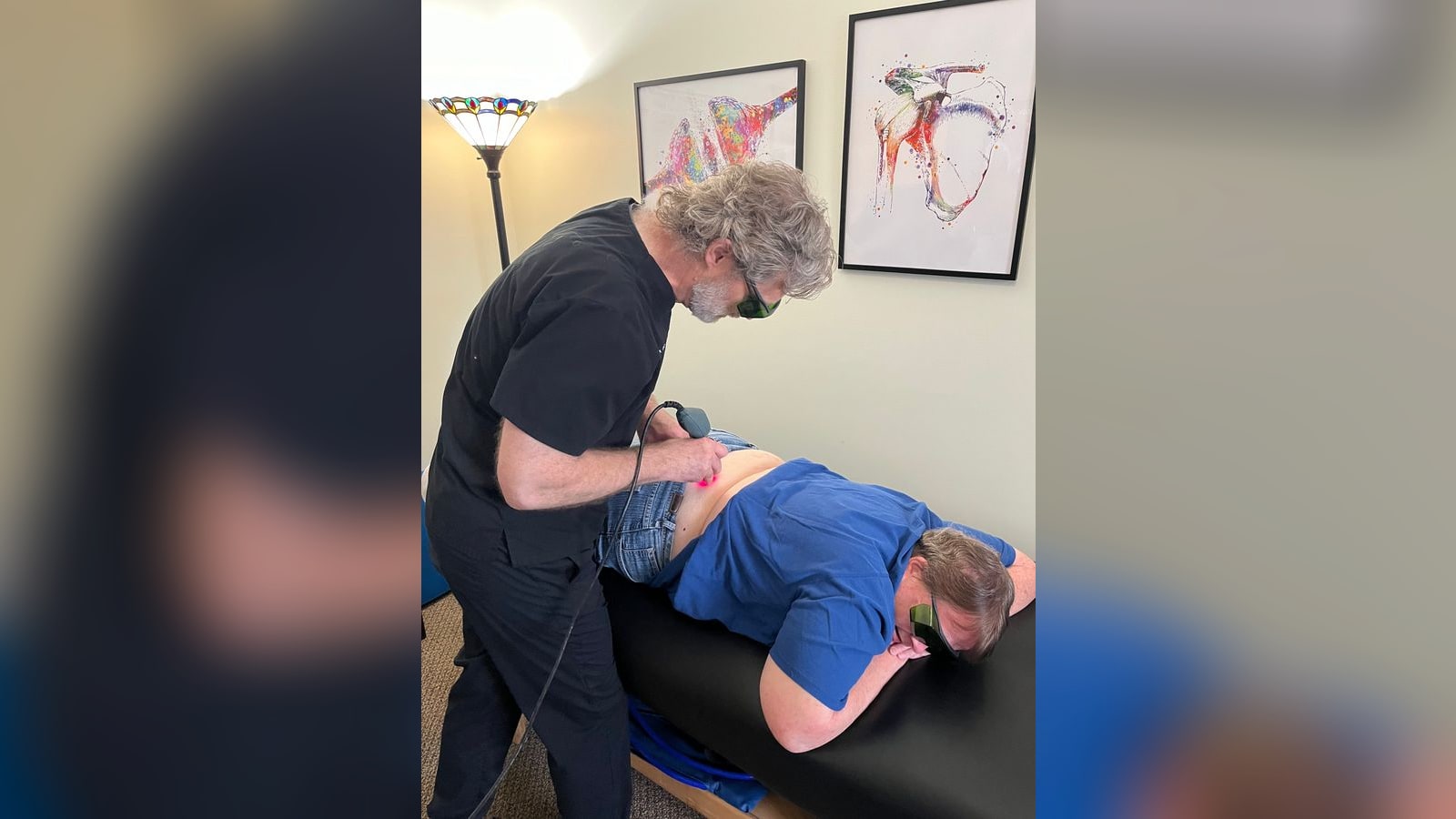
Blood sugar, thyroid and gut health can all drain energy, as we cover in functional medicine and chronic fatigue. The link between anemia and fatigue can also look a lot like winter tiredness.
Our metabolic health program builds a plan from your exam results and lab findings. If vitamin D may be part of the picture, we can talk through whether testing makes sense for you.
Foggy thinking often rides along with low energy, and our look at brain fog causes explains how these issues overlap.
Frequently Asked Questions
How much vitamin D do adults need each day?
Most adults ages 19 to 70 need 600 IU of vitamin D a day, and adults 71 and older need 800 IU. Pregnant and breastfeeding women also need 600 IU.
MedlinePlus notes that older adults, people with darker skin and people with absorption problems may need more. Your provider can help you decide whether a supplement fits your situation.
Can you take too much vitamin D?
Yes, too much vitamin D can build up from supplements, though it does not happen from sun exposure. Toxicity is rare, but it can raise calcium in the blood.
Cleveland Clinic lists nausea, thirst, poor appetite, constipation, weakness and confusion as possible symptoms. It advises against taking more than the recommended amount without first talking with your healthcare provider.
Are the winter blues the same as seasonal affective disorder?
No, the winter blues are usually milder and do not disrupt daily life the way seasonal affective disorder can. SAD is a form of depression that returns with the seasons and affects how a person thinks, feels and acts.
The National Institute of Mental Health notes that SAD is more common in people living farther north, where winter days are shorter. Light therapy and talk therapy are common treatments.
Does Advanced Integrative Health Center look beyond vitamin D for winter fatigue?
Yes, Dr. John Owings looks at the whole picture rather than one lab value. His approach uses advanced testing, targeted therapies and personalized nutrition and detox strategies.
The goal is to find what is driving fatigue, inflammation or metabolic trouble instead of masking symptoms. Many new patients start with the clinic's 12-Point Functional Exam, which helps shape a care plan around their results.
How soon might energy improve with a metabolic health plan?
It varies from person to person. Some patients at Advanced Integrative Health Center notice changes within weeks, while others improve gradually over several months.
The timeline depends on how complex the underlying causes are and how closely the plan is followed. Dr. Owings tailors each metabolic health plan around exam results and root-cause findings, then adjusts it as you progress.
Feel More Like Yourself This Winter
Low vitamin D in winter is common, and it is worth a closer look when fatigue or low mood will not lift. A clear plan starts with finding what is really going on.
Dr. Owings and our Grand Rapids, MI functional medicine clinic can help you sort it out. Call Advanced Integrative Health Center today at (616) 453-0600 or request an appointment online.

